~/ LEISURE APP next case
MICRO
MEETING
[ ux/ui]
MVP imbi app prototype
for micro meetings, 2022


First-of-its-kind spontaneity-focused meet-up model: "Everything happens today" philosophy


Situation
- App for Micro Meetings
- App Click Prototype
- QA before Launch
Task
- UX Research
- UX Test
- UX Report
Actions
- Business Use Case
- Click Flow Test
- UI/UX Principles
Results
- Proof of Concept
- Heuristic Evaluation
- UI/UX Suggestions
+++++++ Imbi Brand request
How to increase user activation and test percieved product value messaging
- 1.Validate Core Message Resonance:
The messaging that aligns the brand with customers values performs best. Mood Board development helps to find direction of tone, and narratives truly resonate. - 2. Reveale Gaps Between Brand Intent and Perception. The brand audit shows where your intended brand identity differs from how audiences actually perceive it. This gap guides necessary realignment in messaging and tone of voice.
- 3. Uncovere Emotional Drivers:
Testing reveals which emotional triggers—e.g. security, aspiration, simplicity—drive engagement and conversions. These insights shape more human and relatable messaging. - 4. Sharpen Brand Differentiation
Audit and competitive analysis clarify your unique selling points (USPs). Messaging is refined to highlight those distinctions clearly and consistently. - 5. Streamline Messaging Hierarchy
Prioritized the most effective brand messages to ensure clarity and focus. Established a clear messaging architecture from headline to CTA. - 6. Enhance Internal Brand Alignment
Refined messaging ensures consistency across teams, from marketing to customer support. Everyone speaks the same language, improving brand trust and recognition. - 7. Test,to Improved Audience Segmentation and Personalization:
furtehr Testing would uncover how different segments respond to different tones, benefits, or calls to action. Enables more tailored messaging strategies across channels.


- Context Analysis:
with Desk Research insights and observations, Putting it in Context its neither a business nor dating intent - its for Users who desire simple, low-commitment ways to meet others solo or in small groups and enjoy shared experiences with social intent. - Qualitative data analysis (QDA):
is the process of organizing, analyzing, and interpreting qualitative research data—non-numeric, conceptual information, and user feedback—to capture themes and patterns, to answer research questions, and identify actions to improve your app product. - UX Brand Audit/ Value Proposition:
How do you improve peoples Life? UX Business Audit/ Interview/ Why does that Business Exist? UX Product Audit/ Does the brand intent matches its Service Intent?/ Is the Functionality easy accessible? UX Usability Audit/ Test Click Flow/ Error prevention and Clossure?


App First Touchpoint
and First Impressions in the Onboarding Flow,
- MVP Prototype:
Evaluate and optimize the user experience of the Imbi social micro-meeting app, in order to increase user engagement, reduce friction, and improve conversion across key user journeys such as onboarding, meeting creation, and user retention. - UX Test Goal:
I was approached in the early Phase of the Product Design of the IMBI App, with the request to "Test the UX Experience of the App". In Terms of Designs Methods to choose we know already, what stage we are and can dive deeper into reframing the objectives of test research desired. - Users Need:
- We assume and create the hypothesis about People, who feel socially out of touch or struggle to meaningfully connect with new people in their area. Traditional meet-up models require planning well in advance—too formal and not suited for spontaneous socializing.


- UX Experience: Content analysis is a qualitative research method that examines and quantifies the presence of certain words, subjects, and concepts in text, image, video, or audio messages. The method transforms qualitative input into quantitative data to help you draw reliable conclusions about what customers think of your brand, and how you can improve their experience and opinion.
- Survey Test:For example, you may run a customer survey with open-ended questions to discover users’ concerns—in their own words—about their experience with your product. We analyze and group results based on the emotion expressed in texts.
- User Preferences: and setting the direction for new product or feature developments, because we know design is subjective somehow but we can improve clarity and task success. With teh goal to support overall product quality and longterm ROI on the customer LTV.
Brainstorming Moods
and Defining Personas,
the App could be useful for


- In the context of user-centered design, a persona is a detailed and semi-fictional representation of an ideal user of a system. It is a tool used by designers to maintain focus on the user's needs throughout the design process.
- I created a hypothesis, that there is an Audience In THE UK MARKET Of young-aged people (18–24 years), and upper age people (50-70 years) who consider using an App to get socially active. But for this Case we focus on the younger once. They would most often use the app SPONTANOUSLY to check if people are near by who would like to hang out together.


How might We... ?
Make the Onboarding more socially engaging ?
- How might we - make the messaging, about Social Micro Activities, meeting people and friends, more specific? How might we - create a more colourful modern look and feel, which represents young adulth ?
- I brainstormed solutions about how to set a brand claim as an affordant, recogniseable marketing slogan - to brand that story of meeting people. Because as new social brand, we want to remembered.
- With those test versions we can set a starting point for the evaluation process - what works well from long distant ? What creates more interest ? What we desire to achieve? to inform ? or to set a bold messaging? our design decision can just be evaluated considering those questions.
Many young adults use public transportation such as taking the train in order to go to work. Multiple subway advertisments could be used to appeal to these consumers. Strengthen brand perception, trust and interest in the product with a bold marketing claim.


Meet - Share - Connect, create Social Micro Meetings, City Walks, Picknik


Everything happens today,
be inspired by the ideas of the social community,
The marketing concept was inspired by the research that was conducted prior to the re-creation of the onboarding. Hobbies often bring joy to people in different ways and consumers have different interests. I decided to express this concept in the marketing.
The tagline throughout the campaign is “Meet - Share- Connect” which poses the intention to the consumer to pursue hobbies during their leisure time. The advertisements prompt consumers to “Meet - Share- Connect” over activities, meeting new people by using the application.
- Refining Brand Messaging and Emotional appeal for Genz-Z and Boomers. Its a fun way to connect and enjoy sweet Moments no matter which Age. Be inspired and stay inspired by the youngsters and the grannys. Make friends for a life time or just enjoy the moment.


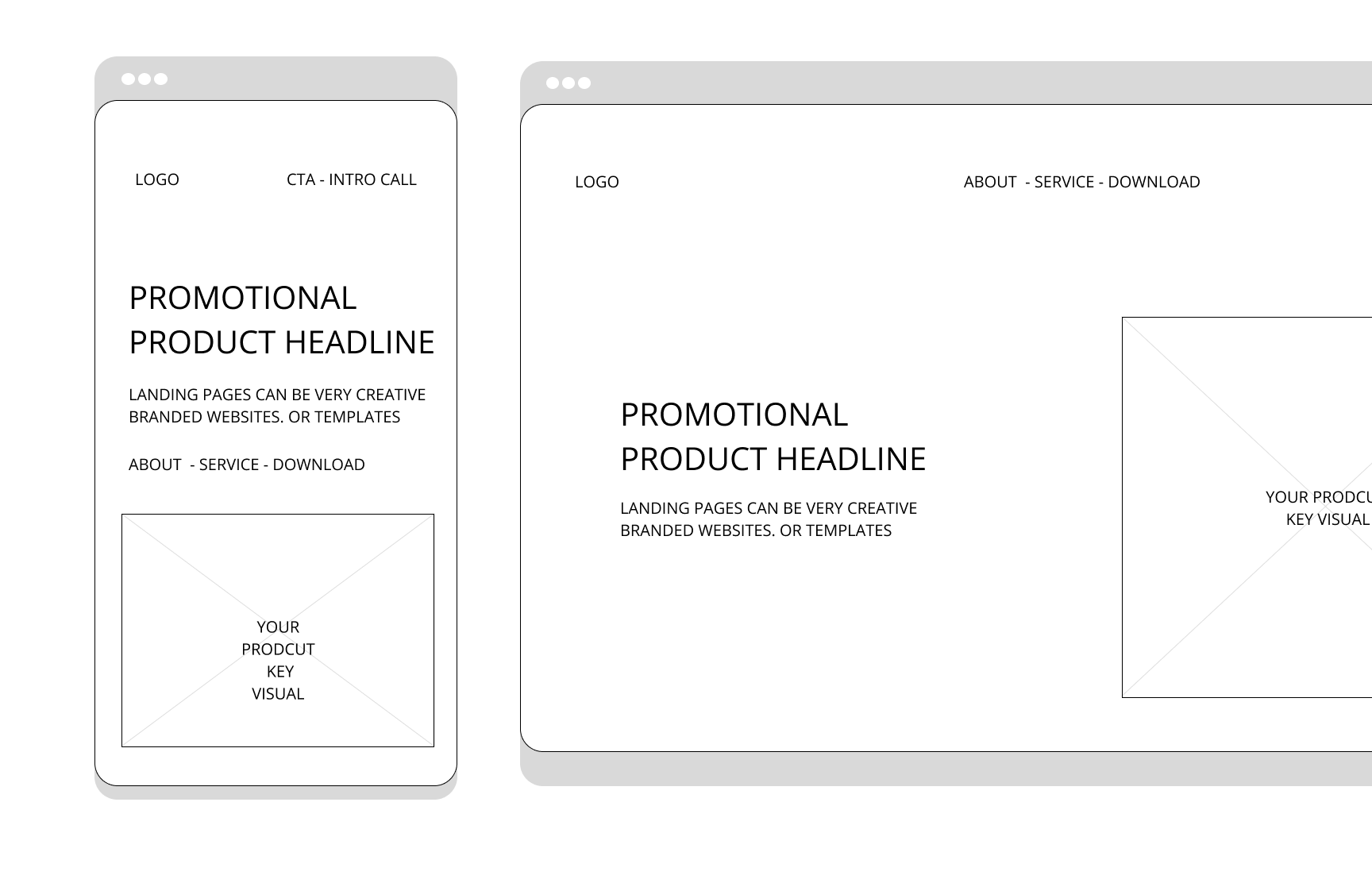
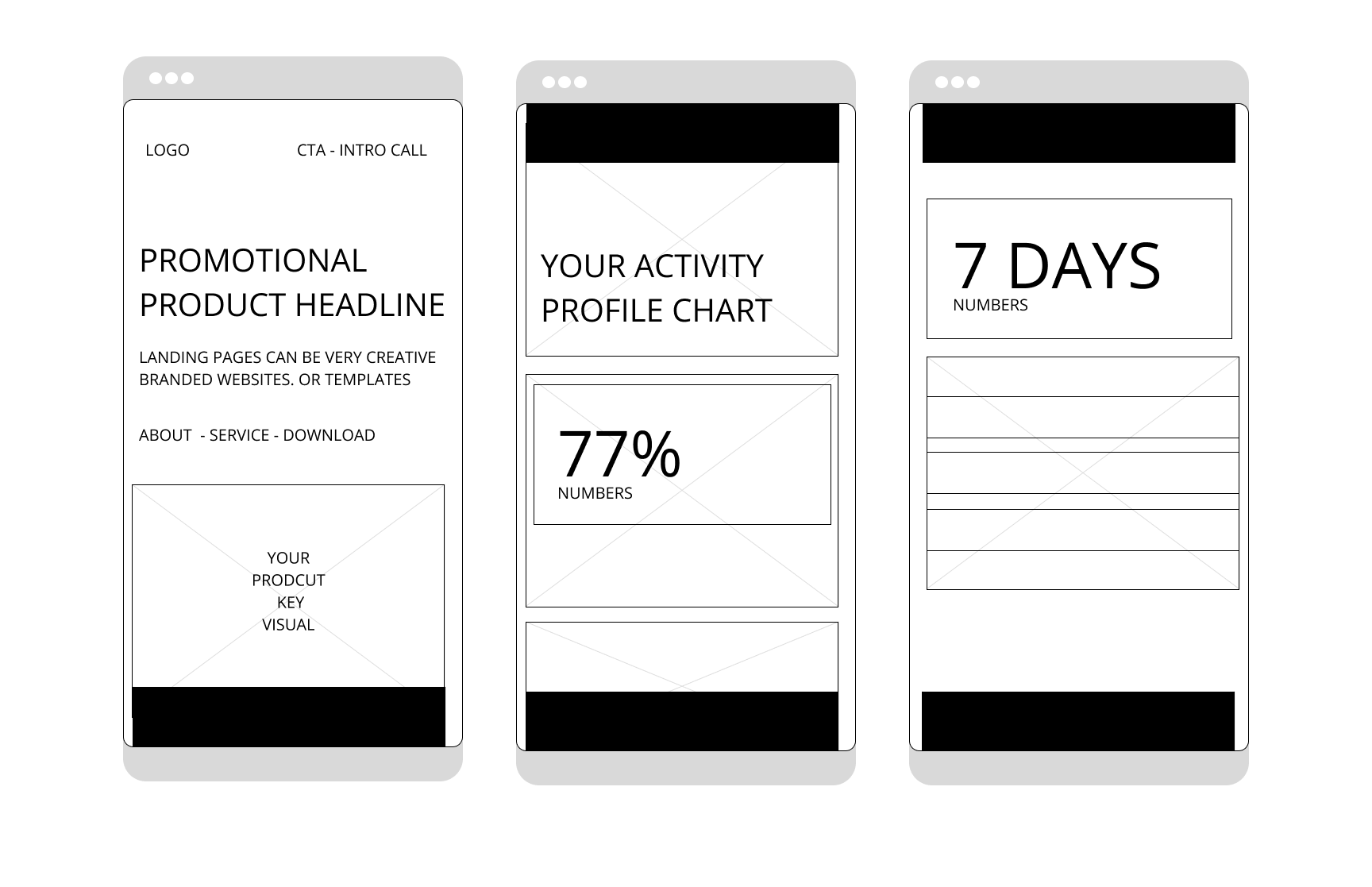
A landing page created to spark interest for the app download.

+++++++ Key Takeaways from Refining the Brand CI
- 1.Validated Core Message Resonance:
The messaging that aligns with customer language, values, and pain points performs best. User testing confirms which phrases, tone, and narratives truly resonate. - 2. Revealed Gaps Between Brand Intent and Perception
The brand audit shows where your intended brand identity differs from how audiences actually perceive it. This gap guides necessary realignment in messaging and tone of voice. - 3. Uncovered Emotional Drivers:
Testing reveals which emotional triggers—e.g. security, aspiration, simplicity—drive engagement and conversions. These insights shape more human and relatable messaging. - 4. Sharpened Brand Differentiation
Audit and competitive analysis clarify your unique selling points (USPs). Messaging is refined to highlight those distinctions clearly and consistently. - 5. Streamlined Messaging Hierarchy
Prioritized the most effective brand messages to ensure clarity and focus. Established a clear messaging architecture from headline to CTA. - 6. Enhanced Internal Brand Alignment
Refined messaging ensures consistency across teams, from marketing to customer support. Everyone speaks the same language, improving brand trust and recognition. - 7. Test,to Improved Audience Segmentation and Personalization:
furtehr Testing would uncover how different segments respond to different tones, benefits, or calls to action. Enables more tailored messaging strategies across channels.